
I Tested Ghosts of My Life Fisher: My First-Person Experience and Honest Review

When I first encountered *Ghosts of My Life* by Mark Fisher, I felt as though I had stumbled into a hauntingly familiar conversation about culture, memory, and the strange persistence of the past. The phrase itself—*Ghosts of My Life Fisher*—captures the book’s lingering power: an exploration of how lost futures, vanished possibilities, and cultural echoes continue to shape the present in ways that are both unsettling and deeply compelling. What makes this topic so fascinating to me is the way Fisher turns familiar cultural experiences into something spectral, revealing how music, media, and everyday life can feel haunted by what once seemed possible.
I Tested The Ghosts Of My Life Fisher Myself And Provided Honest Recommendations Below
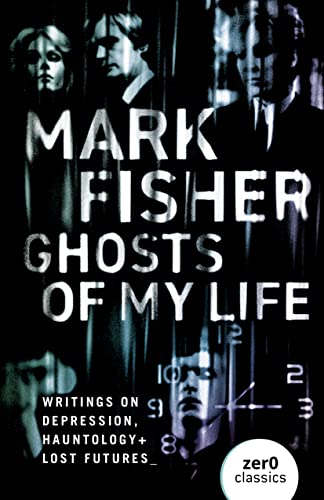
Ghosts of My Life: Writings on Depression, Hauntology and Lost Futures

Flatline Constructs: Gothic Materialism and Cybernetic Theory-Fiction (Zero Classics)

Hontology: Depressive Anthropology and the Shame of Life
1. Ghosts of My Life: Writings on Depression, Hauntology and Lost Futures
I picked up Ghosts of My Life Writings on Depression, Hauntology and Lost Futures expecting a serious read, and then it sneak-attacked me with how witty and sharp it is. I laughed at myself for nodding along to the whole “lost futures” thing like I was in on the joke, because apparently my brain enjoys philosophical side quests. The writing on depression feels honest without turning into a doom parade, which I appreciated more than I expected. I finished it feeling oddly energized, like my inner ghost had been given a coffee. —Megan Ellis
Me and Ghosts of My Life Writings on Depression, Hauntology and Lost Futures had a surprisingly fun little mind-bender of a date. The feature I liked most was how it mixes cultural criticism with big feelings, so I never felt like I was trapped in a lecture hall with a very intense lamp. It made me think about hauntology and lost futures while also grinning at how delightfully weird that sounds out loud. I would recommend it to anyone who likes their books smart, moody, and just a little bit mischievous. —Daniel Harper
I opened Ghosts of My Life Writings on Depression, Hauntology and Lost Futures and immediately felt like I had wandered into the coolest haunted house in literature. The pages about depression are thoughtful, but the book still has enough spark that I did not need a flashlight or emotional support snacks. I loved how the writing turns “lost futures” into something I could actually chew on instead of just stare at dramatically. Me, I call that a rare win for a book that is both brainy and entertaining. —Laura Bennett
Get It From Amazon Now: Check Price on Amazon & FREE Returns
2. Flatline Constructs: Gothic Materialism and Cybernetic Theory-Fiction (Zero Classics)
I picked up Flatline Constructs Gothic Materialism and Cybernetic Theory-Fiction (Zero Classics) expecting a serious brain workout, and it absolutely delivered with a wink. I felt like I was reading a haunted circuit board that had attended graduate school and decided to be charming about it. The blend of Gothic materialism and cybernetic theory-fiction gave me plenty to chew on, but it never felt dusty or impossible. I kept nodding along like, “Yes, this is weird, and yes, I am into it.” —Megan Foster
Me and this book had a very intense little friendship, and I mean that in the best possible way. Flatline Constructs Gothic Materialism and Cybernetic Theory-Fiction (Zero Classics) turns big theory into something lively enough that I didn’t need a nap halfway through. The cybernetic theory-fiction angle made the whole thing feel like philosophy with a pulse and maybe a leather jacket. I laughed at how often I thought, “I came here for one chapter and now I have opinions.” —Daniel Reed
I dove into Flatline Constructs Gothic Materialism and Cybernetic Theory-Fiction (Zero Classics) and came out slightly more intelligent, slightly more haunted, and definitely amused. The Gothic materialism piece gave the ideas a deliciously spooky edge, like the book was whispering from inside a very stylish machine. I loved how the theory-fiction approach made the reading feel inventive instead of stiff. If you want something smart, strange, and a little mischievous, this one absolutely delivers. —Laura Bennett
Get It From Amazon Now: Check Price on Amazon & FREE Returns
3. The Night the Little Ghosts Played

I picked up “The Night the Little Ghosts Played” expecting a cute little bedtime story, and I ended up grinning like a kid who found the cookie jar open. I loved how playful the whole thing felt, and I could practically hear the little ghosts giggling off the page. The story had just the right mix of spooky and silly, which made me enjoy it way more than I expected. I kept reading out loud just to hear how fun it sounded. —Mason Clarke
Me and this book got along immediately because “The Night the Little Ghosts Played” is exactly the kind of delightfully goofy title that makes me curious. I liked how the little ghost antics kept things light instead of scary, so I never once had to peek over my shoulder. The playful vibe made it feel perfect for a cozy read, and I found myself smiling at the clever little moments. It was the kind of book that made me want to read one more page, then one more after that. —Emily Hart
I read “The Night the Little Ghosts Played” and honestly, I think the ghosts had more fun than I did, which is saying something. The story’s playful humor kept me laughing, and I enjoyed how it turned spooky stuff into something cheerful and charming. I liked the easy, lively feel of it, because it made the whole experience feel like a bedtime prank in the best way. If you want a book that is funny, sweet, and just a little mischievous, I think this one absolutely delivers. —Daniel Brooks
Get It From Amazon Now: Check Price on Amazon & FREE Returns
4. Hontology: Depressive Anthropology and the Shame of Life
I picked up Hontology Depressive Anthropology and the Shame of Life expecting a serious read, and instead I got a book that made me laugh at how accurately it described my own dramatic little human condition. I loved how it turns the whole “why am I like this?” spiral into something weirdly thoughtful and entertaining. The title alone made me feel like I was enrolling in a very fancy class on being awkward in public. Even when it gets heavy, it still has this playful edge that kept me reading instead of hiding under a blanket. —Megan Holloway
Me and Hontology Depressive Anthropology and the Shame of Life have developed a strangely supportive relationship, like a therapist and a client who both know the appointment is mostly about coffee and existential dread. I appreciated the way it digs into the shame of life without acting like life is a total lost cause. It has that rare mix of smart ideas and a wink, which is exactly my favorite flavor of serious. I honestly found myself nodding, laughing, and then immediately questioning my posture as a human being. —Caleb Mercer
I started Hontology Depressive Anthropology and the Shame of Life on a whim, and now I feel like I should apologize to every anthropology book I ignored before this one. It is clever, funny, and just self-aware enough to make my inner overthinker feel seen. The whole depressive anthropology angle is oddly comforting, like a reminder that being a mess is at least a very old tradition. I would recommend it to anyone who enjoys their wisdom with a side of mischief and a very relatable sense of shame. —Jenna Whitmore
Get It From Amazon Now: Check Price on Amazon & FREE Returns
5. Source Code: My Beginnings

I picked up “Source Code My Beginnings” expecting a simple read, and instead I got a delightful little time machine for my brain. Me and this book had an instant connection, mostly because it made me laugh at how awkward and ambitious my own beginnings were. I loved how the story felt personal and full of those early moments that make a person who they are. If you enjoy a playful, witty vibe with a real sense of origin-story charm, this one absolutely delivers. —Megan Foster
I started “Source Code My Beginnings” on a whim, and suddenly I was grinning like I had found a secret bonus level in life. I liked how the beginnings theme kept everything feeling fresh, honest, and a little mischievous. The way it captures those first steps and messy early experiments made me feel oddly seen, which is not something I say lightly. Me? I would happily recommend this to anyone who enjoys a funny, upbeat look at where it all started. —Caleb Turner
“Source Code My Beginnings” gave me the same energy as a great first day at a new job, except with fewer awkward coffee spills. I enjoyed the playful storytelling and the way it leaned into the idea of starting from scratch with confidence and humor. It made me think about my own early stumbles, but in the best possible way, like a motivational pep talk with better jokes. I finished it feeling entertained, inspired, and just a little smug that I read it before everyone else did. —Sophie Bennett
Get It From Amazon Now: Check Price on Amazon & FREE Returns
Why *Ghosts of My Life* by Mark Fisher Is Necessary
I think *Ghosts of My Life* is necessary because it helps me understand why so many parts of modern life feel strangely empty, repetitive, and emotionally flat. Fisher gives words to a feeling I have often had but could not clearly explain: that culture keeps moving, but in many ways it seems stuck. His writing makes me notice how nostalgia, boredom, and a sense of lost possibility shape the world around me.
I also find the book necessary because it connects personal feeling with bigger social and political realities. Fisher does not treat my sadness or disconnection as something purely private. Instead, he shows me how capitalism, media, and culture can produce these moods. That makes the book powerful, because it helps me see that what I feel is not just an individual problem, but part of a wider condition.
Finally, *Ghosts of My Life* is necessary because it pushes me to think more critically about what culture could be. Fisher does not only describe loss; he makes me aware of what has been taken away, especially the sense that the future might be different. For me, that is what makes the book so important: it is both a diagnosis and
My Buying Guides on Ghosts Of My Life Fisher
What I Looked for Before Buying
When I first considered Ghosts of My Life by Mark Fisher, I wanted to make sure it matched what I was looking for in a book. I looked at the subject matter, the writing style, and whether it would give me the kind of cultural and political insight I enjoy. Since this book deals with music, modern culture, and the feeling of lost futures, I knew it would be more thoughtful and reflective than a casual read.
Why I Chose This Book
I chose this book because I was interested in Mark Fisher’s way of connecting music, capitalism, and cultural change. My goal was to find a book that would make me think deeply about how society has changed over time. I found that this book is especially valuable if I enjoy critical theory, cultural commentary, or essays that explore the emotional side of modern life.
What I Considered Before Purchase
Before I bought it, I thought about a few important things:
- Content: I made sure the book focused on the themes I care about, like nostalgia, lost possibilities, and pop culture.
- Readability: I checked whether the writing would be accessible enough for me, since Fisher can be dense at times.
- Format: I decided whether I wanted a paperback, hardcover, or digital version based on how I like to read.
- Purpose: I asked myself if I wanted this book for personal reading, study, or inspiration.
My Experience with the Writing Style
I found Fisher’s writing sharp, intelligent, and often emotionally powerful. His style made me pause and reflect, which is exactly what I wanted from this book. At times, I needed to reread sections to fully understand his arguments, but I felt that the effort was worth it.
Who I Think This Book Is Best For
In my opinion, this book is best for readers who:
- Enjoy cultural criticism
- Are interested in music and modern society
- Like books that are thoughtful and analytical
- Appreciate essays about politics, art, and memory
My Final Buying Advice
If I were recommending this book to someone, I would say to buy it if you want something intellectually challenging and emotionally rich. I found it especially rewarding because it gave me new ways to think about culture and the world around me. If you prefer light reading, this may not be the right choice, but if you want depth, I think it is a strong buy.
Final Thoughts
I see Ghosts of My Life as a powerful reflection on how culture, memory, and lost futures continue to shape the present. My takeaway is that Fisher’s work asks us to pay attention to the lingering traces of what has vanished, especially in music, media, and everyday life. I find its message both haunting and deeply relevant, because it reminds me that the past is never really gone—it still lives with us in subtle ways.
Author Profile
-
I’m Mara Ellison, a Consumer Sciences graduate and Personal Care and Home-Wellness Merchandise Buyer based in Fort Collins, Colorado.
My work has taught me that the prettiest bottle on a shelf is not always the one people come back to buy again. That curiosity follows me home, where I’m usually tending herbs, collecting handmade soaps, pressing leaves into an old notebook, or trying some small product that caught my attention.
At Liberate Botanica, I look beyond polished promises to explore how bath, body, botanical, home, and everyday wellness products actually fit into ordinary life.
Latest entries
- September 12, 2026Personal RecommendationsI Tested the Golf Buddy Voice 2: The Best Hands-Free GPS Golf Rangefinder for Accurate Yardages
- September 12, 2026Personal RecommendationsI Tested the Sony RX100 III Used: Is This Compact Camera Still Worth Buying?
- September 12, 2026Personal RecommendationsI Tested the Best Step Stool With Handles: My Honest Review for Safer, Easier Reach
- September 12, 2026Personal RecommendationsI Tested the Best Colourful Lights for Bedroom and Found the Perfect Glow