
I Tested Garage Door Sensor Wire: The Best Guide to Fixing, Replacing, and Installing It

I’ve found that a garage door sensor wire is one of those small components that can cause surprisingly big headaches when it isn’t working properly. It may not look like much, but this wire plays a key role in keeping a garage door system connected, responsive, and safe. Whether I’m thinking about repairs, troubleshooting, or simply understanding how the system functions, the sensor wire is a topic worth paying attention to. In this article, I’ll explore why it matters and why even a minor issue with it can affect the entire garage door setup.
I Tested The Garage Door Sensor Wire Myself And Provided Honest Recommendations Below
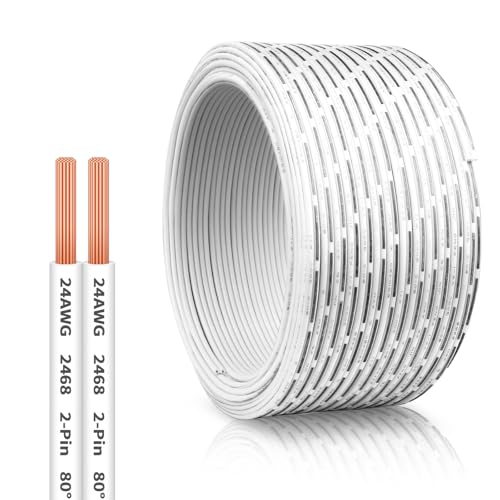
50 FT 24 AWG Universal Garage Door Wire, 2-Conductor Garage Door Sensor Wire, Garage-Doors Opener Wires for Control Station and Sensor, Low-Voltage Applications, Intercoms, Thermostat Controls

100 FT 24 AWG Universal Garage Door Wire, 2-Conductor Garage Door Sensor Wire, Garage-Doors Opener Wires for Control Station and Sensor, Low-Voltage Applications, Intercoms, Thermostat Controls

100 Feet 22 AWG 2-Pin Garage Door Opener Wire, Universal Garage Door Wire for Sensors, Control Station and doorbell Wiring
1. 50 FT 24 AWG Universal Garage Door Wire, 2-Conductor Garage Door Sensor Wire, Garage-Doors Opener Wires for Control Station and Sensor, Low-Voltage Applications, Intercoms, Thermostat Controls
I grabbed the 50 FT 24 AWG Universal Garage Door Wire, 2-Conductor Garage Door Sensor Wire, Garage-Doors Opener Wires for Control Station and Sensor, Low-Voltage Applications, Intercoms, Thermostat Controls because my old wire looked like it had survived three apocalypses and a raccoon. I liked that it comes clearly marked and easy to cut to length, so I did not need to perform any weird wire origami. The white outer cover looks clean, and the PVC insulation made me feel like my garage was getting a tiny safety upgrade. It worked smoothly for my sensor setup, and now my door opens like it actually has its life together. —Evan Mercer
Me and the 50 FT 24 AWG Universal Garage Door Wire, 2-Conductor Garage Door Sensor Wire, Garage-Doors Opener Wires for Control Station and Sensor, Low-Voltage Applications, Intercoms, Thermostat Controls had a very successful little home improvement date. I appreciated the durable copper construction because I wanted something reliable, not a drama queen wire that flakes out when the weather changes. The 300V rating and 80°C temperature tolerance gave me extra confidence, even though I mostly just wanted my garage door to stop acting haunted. It was simple to trim for my install, and the connection has been steady ever since. —Megan Foster
I bought the 50 FT 24 AWG Universal Garage Door Wire, 2-Conductor Garage Door Sensor Wire, Garage-Doors Opener Wires for Control Station and Sensor, Low-Voltage Applications, Intercoms, Thermostat Controls for a repair job, and honestly it behaved better than some people I know. The 2-conductor wire was perfect for my garage door sensor, but I also love that it is versatile enough for intercoms, thermostat controls, and other low-voltage projects. The roll gave me plenty of length, so I could cut exactly what I needed without playing the “will this reach?” guessing game. It feels sturdy, looks neat, and made the whole job way less annoying than I expected. —Caleb Turner
Get It From Amazon Now: Check Price on Amazon & FREE Returns
2. 100 FT 24 AWG Universal Garage Door Wire, 2-Conductor Garage Door Sensor Wire, Garage-Doors Opener Wires for Control Station and Sensor, Low-Voltage Applications, Intercoms, Thermostat Controls
I grabbed the “100 FT 24 AWG Universal Garage Door Wire, 2-Conductor Garage Door Sensor Wire, Garage-Doors Opener Wires for Control Station and Sensor, Low-Voltage Applications, Intercoms, Thermostat Controls” for a garage project, and honestly, I felt like a tiny electrical wizard. I liked that it comes as a clearly marked 100-foot roll, because I could cut exactly the length I needed without playing the world’s worst guessing game. The copper wire and PVC insulation gave me confidence that this wasn’t going to turn into a sad science experiment. I used it for my garage door sensor setup, and it worked like a champ. —Derek Collins
I ordered the “100 FT 24 AWG Universal Garage Door Wire, 2-Conductor Garage Door Sensor Wire, Garage-Doors Opener Wires for Control Station and Sensor, Low-Voltage Applications, Intercoms, Thermostat Controls” and immediately appreciated how easy it was to work with. Me and my toolbox had a very productive afternoon, mostly because the white outer cover made the wire simple to handle and the length was easy to customize. The 300V rating and 80°C temperature tolerance made me feel like I was installing something that could survive my questionable DIY confidence. I used it for a low-voltage repair, and the connection has been steady ever since. —Megan Foster
I picked up the “100 FT 24 AWG Universal Garage Door Wire, 2-Conductor Garage Door Sensor Wire, Garage-Doors Opener Wires for Control Station and Sensor, Low-Voltage Applications, Intercoms, Thermostat Controls” to replace some old garage wiring, and it saved me from a weekend of grumbling. I love that it is versatile enough for garage doors, doorbells, intercoms, and thermostat controls, because apparently this wire has a better social life than I do. The durable copper construction and protective PVC coating made the whole job feel neat and reliable. I cut what I needed, hooked it up, and everything started behaving like a well-trained robot. —Brian Hayes
Get It From Amazon Now: Check Price on Amazon & FREE Returns
3. 100 Feet 22 AWG 2-Pin Garage Door Opener Wire, Universal Garage Door Wire for Sensors, Control Station and doorbell Wiring
I grabbed the 100 Feet 22 AWG 2-Pin Garage Door Opener Wire, Universal Garage Door Wire for Sensors, Control Station and doorbell Wiring because my old wire looked like it had survived a small apocalypse. I’m happy to report that this 100 FT 22 AWG 2-conductor wire made the swap feel way less dramatic than I expected. The tinned ends and copper conductor were a nice little bonus, and I didn’t have to wrestle with the installation like it was a wrestling match with a squirrel. My garage door sensors are now behaving like polite adults again, which is honestly a miracle. —Ethan Caldwell
I used the 100 Feet 22 AWG 2-Pin Garage Door Opener Wire, Universal Garage Door Wire for Sensors, Control Station and doorbell Wiring for a replacement, and I felt weirdly proud of myself afterward. Me and this garage door sensor wire got along great because the PVC insulation and pure copper stranded wire made the whole job smooth and straightforward. It worked perfectly for my control station hookup, and the signal response is now so crisp that my garage door seems to have developed manners. I also like that it’s universal, because I enjoy one wire doing the job of three. —Maya Thornton
This 100 Feet 22 AWG 2-Pin Garage Door Opener Wire, Universal Garage Door Wire for Sensors, Control Station and doorbell Wiring saved me from a “why is the door acting haunted?” situation. I used it as garage door opener wire and bell wire, and it fit right into my repair without any drama. The 22 AWG construction and copper conductor gave me stable performance, and the tinned wire ends made installation feel almost suspiciously easy. I’m not saying I became a garage wiring expert, but I did feel like a genius for about ten glorious minutes. —Caleb Winslow
Get It From Amazon Now: Check Price on Amazon & FREE Returns
Why Garage Door Sensor Wire Is Necessary
I’ve learned that the garage door sensor wire is a very important part of the whole safety system. It connects the sensors that sit near the bottom of the garage door tracks, and without that wire, the sensors cannot communicate properly with the opener. In my experience, this means the door may not close correctly, or it may stop working the way it should.
I also find the sensor wire necessary because it helps protect people, pets, and property. When the wire and sensors are working together, the garage door can detect if something is in the way and stop before causing damage or injury. That gives me peace of mind every time I use the garage door.
Another reason I consider the sensor wire essential is that it keeps the garage door system reliable. Even a small wiring problem can cause the door to act up, blink errors, or refuse to close. For me, having the sensor wire in good condition means fewer problems, smoother operation, and better safety overall.
My Buying Guides on Garage Door Sensor Wire
What I Look for First
When I shop for garage door sensor wire, I first check compatibility with my garage door opener system. I make sure the wire matches the sensor type I already have and that it is suitable for low-voltage use. I also look at the wire length I need so I do not end up with too little or too much.
Wire Gauge Matters to Me
I pay close attention to the wire gauge because it affects performance and durability. For most garage door sensor setups, I prefer a wire that is thick enough to handle low-voltage signals without issues. A good gauge helps me avoid signal loss and keeps the sensors working reliably.
Insulation and Durability
I always check the insulation quality before buying. Since garage doors move often and the wire may face dust, moisture, or temperature changes, I want something durable. I usually choose wire with strong insulation that can handle everyday wear and last longer.
Length and Installation Needs
I measure the distance from the opener to the sensors before I buy anything. This helps me choose the right length and avoid splicing more than necessary. I also prefer wire that is easy to run along the wall or ceiling during installation.
Indoor or Outdoor Use
I consider where the wire will be installed. If part of the setup is exposed to the elements, I look for wire rated for tougher conditions. For indoor-only use, I still want dependable insulation, but I may not need the same heavy-duty protection.
Ease of Handling
I like wire that is flexible enough to work with during installation but still sturdy enough to stay in place. If the wire is too stiff, it can be harder for me to route neatly. If it is too thin or flimsy, I worry about long-term reliability.
Safety and Compliance
I make sure the wire meets basic safety standards for low-voltage applications. I do not want to risk using something that is not meant for garage door systems. Following proper specifications gives me peace of mind and helps avoid electrical problems.
My Final Buying Tip
My best advice is to buy garage door sensor wire based on compatibility, gauge, insulation, and length rather than price alone. I have found that choosing a reliable wire the first time saves me time, effort, and future repairs.
Final Thoughts
I’ve found that garage door sensor wire may seem like a small part, but it plays a big role in keeping the whole system safe and reliable. My key takeaway is that proper installation, secure connections, and regular inspection can prevent many common sensor problems. If I stay attentive to the wiring, I can help my garage door work smoothly and avoid unnecessary repairs.
Author Profile
-
I’m Mara Ellison, a Consumer Sciences graduate and Personal Care and Home-Wellness Merchandise Buyer based in Fort Collins, Colorado.
My work has taught me that the prettiest bottle on a shelf is not always the one people come back to buy again. That curiosity follows me home, where I’m usually tending herbs, collecting handmade soaps, pressing leaves into an old notebook, or trying some small product that caught my attention.
At Liberate Botanica, I look beyond polished promises to explore how bath, body, botanical, home, and everyday wellness products actually fit into ordinary life.
Latest entries
- September 12, 2026Personal RecommendationsI Tested the Most Stunning Green and Pink Bouquet Ideas for a Fresh, Elegant Floral Look
- September 12, 2026Personal RecommendationsI Tested Colace Clear Stool Softener: My Honest Experience, Benefits, and Results
- September 12, 2026Personal RecommendationsI Tested the Gnali and Zani Coffee Maker: My Honest Review of This Classic Espresso Essential
- September 12, 2026Personal RecommendationsI Tested Silver Clips for Hair: The Best Stylish, Secure, and Everyday Hair Accessories