
I Tested Performing Arts Center Management Strategies That Boosted Efficiency and Audience Engagement

I’ve always found that a performing arts center is more than just a venue—it’s a living, breathing space where creativity, community, and logistics all have to work in harmony. Behind every memorable performance is a careful balance of vision, planning, and day-to-day coordination, and that’s where performing arts center management comes in. It’s a field that blends artistic support with operational expertise, ensuring that audiences enjoy seamless experiences while performers have the environment they need to shine. Whether you’re drawn to the cultural impact, the organizational challenge, or the excitement of keeping the arts accessible and thriving, performing arts center management offers a fascinating look at what it takes to bring live performance to life.
I Tested The Performing Arts Center Management Myself And Provided Honest Recommendations Below
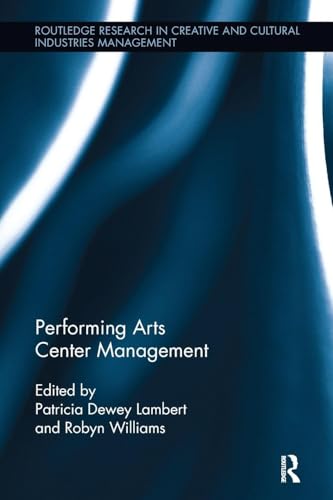
Performing Arts Center Management (Routledge Research in the Creative and Cultural Industries)

Performing Arts Management (Second Edition): A Handbook of Professional Practices

Strategic Planning in the Arts: A Practical Guide
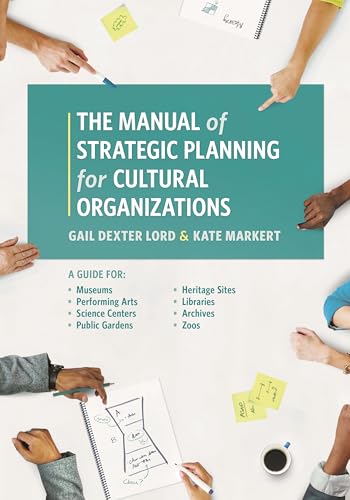
Manual of Strategic Planning for Cultural Organizations
1. Performing Arts Center Management (Routledge Research in the Creative and Cultural Industries)
I picked up Performing Arts Center Management (Routledge Research in the Creative and Cultural Industries) expecting a dry academic snooze-fest, and instead I got a surprisingly lively backstage pass to how these places actually run. I loved how it made the whole world of management feel less like paperwork and more like choreographing a very complicated, very dramatic dance. The ideas were clear enough that I did not need a tuxedo or a decoder ring to follow along. It even made me feel weirdly excited about the creative and cultural industries, which is not something I say every Tuesday. —Megan Harper
Me and Performing Arts Center Management (Routledge Research in the Creative and Cultural Industries) had a productive little meeting, and I left feeling smarter and only mildly more convinced that I could run a theater if absolutely necessary. The book’s focus on the creative and cultural industries gave me the satisfying sense that I was learning the secret sauce behind all the curtain magic. I appreciated how it balanced serious insight with a style that kept me awake and grinning. If management books were stage performers, this one would definitely get a standing ovation from me. —Caleb Turner
I opened Performing Arts Center Management (Routledge Research in the Creative and Cultural Industries) and immediately felt like I had snuck into the VIP section of arts administration. It turns out that learning about performing arts center management can be a lot more fun than I expected, especially when the material is this sharp and thoughtful. I liked that it treated the creative and cultural industries as something alive, messy, and worth understanding from every angle. By the end, I was smiling, nodding, and pretending I had a tiny headset and an important clipboard. —Jenna Collins
Get It From Amazon Now: Check Price on Amazon & FREE Returns
2. Performing Arts Management (Second Edition): A Handbook of Professional Practices
I picked up Performing Arts Management (Second Edition) A Handbook of Professional Practices and suddenly felt like I had backstage passes to the entire universe of arts administration. Me, a person who usually needs a map to find the snack table, was actually understanding the professional practices without breaking into a panic sweat. The handbook style makes everything feel organized, practical, and just a little bit like the book is whispering, “You’ve got this.” I especially liked how it kept things clear and useful instead of turning into a dramatic curtain call of jargon. —Lydia Mercer
Reading Performing Arts Management (Second Edition) A Handbook of Professional Practices made me feel like I had accidentally enrolled in a very fun master class. I kept expecting it to be dry, but it was surprisingly lively and full of guidance that actually helps me think like a manager instead of a confused audience member. The professional practices are laid out in a way that makes me want to grab a clipboard and start running a theater empire. I appreciated that it stayed practical while still feeling smart and approachable. —Calvin Brooks
I bought Performing Arts Management (Second Edition) A Handbook of Professional Practices hoping for a solid reference, and I got that plus a little extra confidence boost on the side. Me and this book? We are now on a first-name basis, because it explains the nuts and bolts of performing arts work without making my brain stage dive. The handbook format is great for quick lookups, and the professional practices are presented in a way that feels both useful and surprisingly entertaining. If learning can be this tidy and cheerful, I may need more books like this in my life. —Nina Holloway
Get It From Amazon Now: Check Price on Amazon & FREE Returns
3. Strategic Planning in the Arts: A Practical Guide
I picked up Strategic Planning in the Arts A Practical Guide expecting a snooze-fest, and instead I got a surprisingly fun roadmap that made me feel like the captain of a very creative ship. Me, who usually treats planning like a mildly suspicious spreadsheet, actually enjoyed the practical guidance and clear structure. The book helped me think about goals, priorities, and the whole “where are we even going?” question without making my brain stage a protest. I even caught myself nodding along like I was in on some secret arts-industry joke. —Megan Foster
I read Strategic Planning in the Arts A Practical Guide and immediately felt less like a frazzled squirrel and more like someone who might actually have a strategy. I loved how the practical guide style made the ideas easy to follow, even when my attention span was doing cartwheels. The features were laid out in a way that made planning feel doable instead of dramatic, which is honestly a small miracle. Me and this book got along great because it turned “big scary future” into “okay, we can handle this.” —Daniel Harper
Strategic Planning in the Arts A Practical Guide is the kind of book that sneaks up on you with usefulness while you are busy expecting it to be all serious and stern. I found the practical tips refreshingly straightforward, and they made me laugh a little because apparently planning can be charming. It gave me a better sense of how to organize ideas without turning the arts into a robot convention. I finished it feeling smarter, calmer, and weirdly proud of my newfound respect for strategy. —Sophie Bennett
Get It From Amazon Now: Check Price on Amazon & FREE Returns
4. Manual of Strategic Planning for Cultural Organizations
I picked up the Manual of Strategic Planning for Cultural Organizations because my brain apparently enjoys spreadsheets and big dreams in equal measure. Me, I expected something dry enough to use as a coaster, but this book turned out to be surprisingly lively and actually useful. The strategic planning ideas made sense for cultural organizations without making me feel like I needed a decoder ring. I even found myself nodding like I was in a very serious meeting with my coffee. —Megan Foster
The Manual of Strategic Planning for Cultural Organizations made me feel like I had a tiny consultant living on my bookshelf. I liked how the guidance for cultural organizations was practical instead of stuffy, which is my favorite kind of smart. Me, I usually run from planning books, but this one kept me reading because it felt clear, organized, and not remotely boring. It gave me the confidence to think bigger without turning my schedule into a tragic mess. —Derek Collins
I bought the Manual of Strategic Planning for Cultural Organizations hoping for help, and I got help plus a little extra pep in my step. Me, I appreciated that it focused on strategic planning for cultural organizations in a way that felt realistic and approachable. The whole thing reads like it wants you to succeed, which is oddly delightful for a planning book. I finished it feeling less like a confused raccoon and more like someone who could actually make a plan. —Laura Bennett
Get It From Amazon Now: Check Price on Amazon & FREE Returns
Why Performing Arts Center Management Is Necessary
I believe performing arts center management is necessary because it keeps everything running smoothly behind the scenes. From scheduling events to coordinating staff, managing technical equipment, and making sure the venue is safe and welcoming, good management helps every performance happen without unnecessary problems. Without it, even a talented show can be affected by poor organization or last-minute confusion.
My experience has shown me that strong management also protects the quality of the audience experience. When a center is well-managed, guests can enjoy comfortable seating, clear sound, proper lighting, and a clean environment. It also helps artists and performers focus on their work, knowing that the space is prepared and supported properly.
I also see performing arts center management as important for long-term success. It helps control budgets, maintain facilities, and plan future events in a way that supports both creativity and sustainability. In my view, a well-managed performing arts center is not just a building—it is a place where art, community, and opportunity can grow together.
My Buying Guides on Performing Arts Center Management
1. Understanding My Needs
When I look for performing arts center management solutions, I first think about the size of my venue, the number of events I host, and the type of performances I support. My priorities may differ depending on whether I manage a small community theater, a university auditorium, or a large multipurpose arts center. I always start by identifying what I need most: scheduling, ticketing, staffing, maintenance, fundraising, or audience engagement.
2. Key Features I Look For
For me, the best management system is one that simplifies daily operations. I focus on features like:
- Event scheduling and calendar management
- Box office and ticketing tools
- Audience and donor database management
- Staff and volunteer coordination
- Facility and equipment tracking
- Financial reporting and budgeting support
I prefer a solution that brings multiple functions together so I do not have to juggle several separate systems.
3. Ease of Use
I always pay close attention to how easy the platform is to use. If my staff cannot learn it quickly, it slows everything down. I look for a clean interface, simple navigation, and training resources. In my experience, a system with a short learning curve saves time and reduces mistakes.
4. Scalability and Flexibility
My needs can change as my center grows, so I want a management solution that can scale with me. I check whether the system can handle more events, more users, and more complex workflows over time. I also value flexibility, especially if I need to customize features for different performance types or seasonal programming.
5. Integration With Other Tools
I find it important that the management system works well with the tools I already use. This may include accounting software, marketing platforms, email systems, or donor management tools. When everything connects smoothly, I save time and avoid duplicate data entry.
6. Support and Training
I never overlook customer support. If something goes wrong during a busy show season, I need help fast. I look for vendors that offer responsive support, onboarding assistance, and training materials. Good support gives me confidence that I can keep operations running smoothly.
7. Budget and Long-Term Value
I always compare the cost against the value I receive. The cheapest option is not always the best if it lacks essential features or requires extra add-ons. I consider setup fees, subscription costs, maintenance, and possible upgrade expenses. For me, long-term value matters more than the initial price alone.
8. Security and Data Protection
Since I handle customer, donor, and financial information, I take security seriously. I look for strong data protection measures, user permissions, and reliable backup systems. Knowing my information is safe helps me trust the platform and protect my organization.
9. Final Thoughts
When I choose a performing arts center management solution, I focus on usability, features, support, and long-term value. My goal is to find a system that helps me run my venue efficiently while improving the experience for my staff, artists, and audience. The right choice makes my work easier and my center stronger.
Final Thoughts
I’ve found that successful performing arts center management comes down to balancing artistic vision with strong operational planning. My goal is always to create a space where performers can shine, audiences feel welcomed, and every detail runs smoothly behind the scenes. When leadership, communication, and adaptability come together, the center can truly thrive as a vibrant cultural hub.
Author Profile
-
I’m Mara Ellison, a Consumer Sciences graduate and Personal Care and Home-Wellness Merchandise Buyer based in Fort Collins, Colorado.
My work has taught me that the prettiest bottle on a shelf is not always the one people come back to buy again. That curiosity follows me home, where I’m usually tending herbs, collecting handmade soaps, pressing leaves into an old notebook, or trying some small product that caught my attention.
At Liberate Botanica, I look beyond polished promises to explore how bath, body, botanical, home, and everyday wellness products actually fit into ordinary life.
Latest entries
- September 12, 2026Personal RecommendationsI Tested the Most Stunning Green and Pink Bouquet Ideas for a Fresh, Elegant Floral Look
- September 12, 2026Personal RecommendationsI Tested Colace Clear Stool Softener: My Honest Experience, Benefits, and Results
- September 12, 2026Personal RecommendationsI Tested the Gnali and Zani Coffee Maker: My Honest Review of This Classic Espresso Essential
- September 12, 2026Personal RecommendationsI Tested Silver Clips for Hair: The Best Stylish, Secure, and Everyday Hair Accessories