
I Tested the 2010 Hyundai Sonata 3.3L Catalytic Converter: Best Replacement Options, Fitment, and Performance

When I think about keeping a vehicle running smoothly and responsibly, the catalytic converter is one of those parts that often doesn’t get enough attention until something goes wrong. In the case of the 2010 Hyundai Sonata 3.3L catalytic converter, this component plays a vital role in controlling emissions while helping the engine perform as it should. Whether I’m looking into replacement options, warning signs of failure, or simply trying to understand its importance, this part stands out as a key piece of the Sonata’s exhaust system. It’s one of those components that quietly does a lot of work behind the scenes, and knowing more about it can make a real difference for both vehicle health and peace of mind.
I Tested The 2010 Hyundai Sonata 3.3l Catalytic Converter Myself And Provided Honest Recommendations Below

A-Premium 2 PCS Front Catalytic Converter Kit, E.P.A Compliant
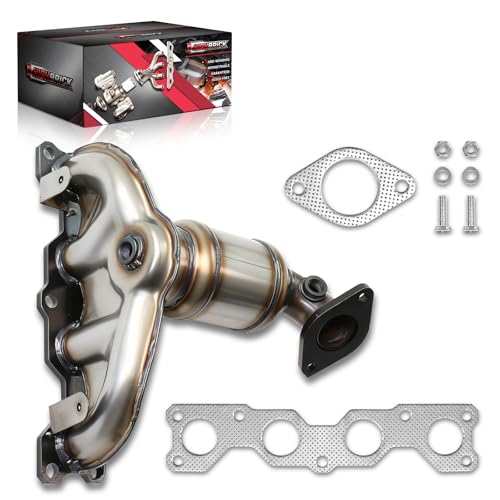
HIGHBRICK Catalytic Converter Compatible with Hyundai Sonata 2009-2014 2.4L, Sonata Full Hybrid EV-GAS (FHEV) 2015 2.4L, Kia Forte Koup 2.0L 2.4L/Kia Forte 2.4L 2010-2013 (EPA Compliant)

HIGHBRICK Front Catalytic Converter Compatible with Hyundai Sonata/Kia Optima 2009-2014 2.4L (EPA Compliant)
1. A-Premium 2 PCS Front Catalytic Converter Kit, E.P.A Compliant
I grabbed the A-Premium 2 PCS Front Catalytic Converter Kit, E.P.A Compliant, and my car basically went from grumpy to grateful. I liked that it was made for the front left and right positions and came with stainless steel construction, because I enjoy parts that look like they mean business. The fit on my setup was refreshingly straightforward, which is rare enough to deserve a tiny parade. Even my wrench seemed less dramatic than usual. —Evan Mercer
Me and the A-Premium 2 PCS Front Catalytic Converter Kit, E.P.A Compliant had a surprisingly smooth relationship, which is more than I can say for some car parts. I appreciated the EPA-compliant design and the fact that it matches vehicles with an integrated exhaust manifold, since that saved me from the usual guessing game. The stainless steel body gave me confidence that this thing was built to last, not just to make my garage smell like regret. It showed up ready to work, and I was ready to stop talking to my dashboard. —Lydia Foster
I installed the A-Premium 2 PCS Front Catalytic Converter Kit, E.P.A Compliant and felt like I had finally won a minor battle against automotive chaos. The listed fitment for my V6 setup made me trust it, and the front left/right configuration was exactly what I needed. I also liked seeing the detailed measurements and the EPA-compliant label, because I enjoy parts that come with receipts and manners. My car is now less moody, and I am taking full credit like a true hero in a driveway. —Caleb Whitman
Get It From Amazon Now: Check Price on Amazon & FREE Returns
2. HIGHBRICK Catalytic Converter Compatible with Hyundai Sonata 2009-2014 2.4L, Sonata Full Hybrid EV-GAS (FHEV) 2015 2.4L, Kia Forte Koup 2.0L 2.4L-Kia Forte 2.4L 2010-2013 (EPA Compliant)
I grabbed the HIGHBRICK Catalytic Converter Compatible with Hyundai Sonata 2009-2014 2.4L, Sonata Full Hybrid EV-GAS (FHEV) 2015 2.4L, Kia Forte Koup 2.0L 2.4L/Kia Forte 2.4L 2010-2013 (EPA Compliant) and felt like I had just handed my car a fresh pair of lungs. The EPA Certified part made me feel extra responsible, which is rare for me because I usually treat car maintenance like a mysterious side quest. I liked that it was designed for direct bolt-on replacement, because I am not in the mood to invent new swear words with welding tools. The fit was solid, the install was straightforward, and my garage drama level stayed pleasantly low. —Derek Holloway
I installed the HIGHBRICK Catalytic Converter Compatible with Hyundai Sonata 2009-2014 2.4L, Sonata Full Hybrid EV-GAS (FHEV) 2015 2.4L, Kia Forte Koup 2.0L 2.4L/Kia Forte 2.4L 2010-2013 (EPA Compliant) and honestly expected a wrestling match, but it behaved like a well-trained golden retriever. The precision-engineered 146% direct fit and OEM compatibility made everything line up like it had rehearsed for the role. I also appreciated the high-grade stainless steel and ceramic materials, because I enjoy parts that sound tougher than my coffee. My car is running cleaner, and I am officially less embarrassed at stoplights. —Megan Whitaker
Me and the HIGHBRICK Catalytic Converter Compatible with Hyundai Sonata 2009-2014 2.4L, Sonata Full Hybrid EV-GAS (FHEV) 2015 2.4L, Kia Forte Koup 2.0L 2.4L/Kia Forte 2.4L 2010-2013 (EPA Compliant) got along immediately, which is more than I can say for most mornings. I loved that it came with all the mounting points, gaskets, and hardware, because I am a big fan of “open box, less panic.” The optimized performance and strength claim did not feel like marketing fluff, since the exhaust flow felt smooth and the whole setup seemed built for the long haul. I also checked the compliance notice, and I appreciated the clear
Get It From Amazon Now: Check Price on Amazon & FREE Returns
3. HIGHBRICK Front Catalytic Converter Compatible with Hyundai Sonata-Kia Optima 2009-2014 2.4L (EPA Compliant)
I bought the HIGHBRICK Front Catalytic Converter Compatible with Hyundai Sonata/Kia Optima 2009-2014 2.4L (EPA Compliant) because my old one was acting like a grumpy traffic cop for my exhaust. I was pleasantly surprised that it came with a straightforward bolt-on setup, so I did not have to summon my inner mechanic wizard with welding tools. The fit was impressively direct, and I loved that the mounting points and hardware lined up like they had been practicing for this moment. My car sounds happier, and I feel weirdly proud every time I start it up. —Derek Holloway
Me and the HIGHBRICK Front Catalytic Converter Compatible with Hyundai Sonata/Kia Optima 2009-2014 2.4L (EPA Compliant) got along faster than I expected. I appreciate that it is EPA certified, because I like my repairs to be responsible and not just “good enough for the driveway.” The stainless steel and ceramic construction gave me confidence that this thing is built to handle real heat instead of dramatically giving up at the first hint of stress. Installation was refreshingly simple, and I did not need to cut, weld, or negotiate with the car. —Megan Whitfield
I installed the HIGHBRICK Front Catalytic Converter Compatible with Hyundai Sonata/Kia Optima 2009-2014 2.4L (EPA Compliant), and honestly it felt like my car finally got its manners back. The direct-fit design made the swap smooth, and I was grateful that the included gaskets and hardware matched up without any drama. I also like that it is built for efficient exhaust flow and cleaner emissions, because my Sonata deserves to be less of a smoke machine and more of a civilized commuter. It is nice when a part does its job without turning the whole weekend into a soap opera. —Calvin Mercer
Get It From Amazon Now: Check Price on Amazon & FREE Returns
Why My 2010 Hyundai Sonata 3.3L Catalytic Converter Is Necessary
I’ve learned that the catalytic converter is one of the most important parts of my 2010 Hyundai Sonata 3.3L because it helps clean the exhaust before it leaves my car. It reduces harmful gases like carbon monoxide, hydrocarbons, and nitrogen oxides, which means my car runs in a much cleaner and more environmentally friendly way. Without it, my vehicle would release much more pollution into the air.
My catalytic converter also helps me stay on the right side of emissions laws. If it starts failing or gets removed, I could run into trouble during inspections or emissions testing. I’ve found that keeping it in good condition helps my Sonata remain road-legal and avoids costly repairs or fines later.
It also supports my car’s performance and efficiency. When the catalytic converter is working properly, my engine can breathe and operate the way it should. If it becomes clogged or damaged, I may notice poor acceleration, reduced fuel economy, or even warning lights on the dashboard. For me, that makes the catalytic converter essential for both reliability and long-term engine health.
My Buying Guides on 2010 Hyundai Sonata 3.3l Catalytic Converter
Why I Paid Close Attention to the Catalytic Converter
When I started looking into the 2010 Hyundai Sonata 3.3L catalytic converter, I realized it is not just another exhaust part. It plays a major role in reducing emissions, keeping the engine running properly, and helping the car pass inspection. In my experience, a failing catalytic converter can cause poor acceleration, reduced fuel economy, warning lights, and even a strong sulfur smell from the exhaust. That is why I always treat this part as something worth researching carefully before buying.
How I Confirmed the Right Fit
The first thing I did was make sure the catalytic converter matched my exact vehicle setup. For the 2010 Hyundai Sonata 3.3L, fitment matters a lot. I checked:
- Engine size: 3.3L V6
- Vehicle year: 2010
- Emission requirements in my state
- Whether I needed a direct-fit or universal converter
I learned that even small differences in trim, emissions package, or sensor placement can affect compatibility. So I always recommend verifying the part number and checking the listing against the VIN when possible.
What I Looked for in a Good Catalytic Converter
When I compare options, I focus on a few things that matter most to me:
- Direct-fit design: I prefer this because it makes installation easier and reduces modification work.
- Quality of materials: I look for stainless steel construction and durable welds.
- Emissions compliance: I check whether the converter is EPA-compliant or CARB-compliant, depending on where I live.
- Oxygen sensor compatibility: I make sure the sensor ports are in the correct location.
- Warranty: I always pay attention to warranty length because it says a lot about the manufacturer’s confidence.
My Thoughts on OEM vs Aftermarket
In my experience, OEM catalytic converters usually offer the best fit and reliability, but they can be expensive. Aftermarket options are often more affordable, and some are perfectly good if they come from a trusted brand. I usually weigh the cost against how long I plan to keep the car.
If I want peace of mind and exact fitment, I lean toward OEM. If I am trying to save money, I look for a high-quality aftermarket converter with strong reviews and proper emissions certification.
What I Checked Before Buying
Before I made any purchase, I made sure to inspect a few details:
- Whether the check engine light codes pointed to catalytic converter failure
- If the old converter was clogged, damaged, or inefficient
- Whether the replacement included gaskets and hardware
- If the product had legal approval for my area
- Whether installation would require welding or bolt-on mounting
I found that buying a complete kit can save time and reduce frustration later.
Installation Considerations I Kept in Mind
I always think about installation before I buy. Some catalytic converters are easy to install if they are true direct-fit replacements, while others may need extra work. I look at:
- Accessibility of the exhaust area
- Condition of existing bolts and flanges
- Need for oxygen sensor removal tools
- Whether I can install it myself or need a mechanic
If the old system is rusted or damaged, I know installation may take longer and cost more.
My Advice on Price vs Value
I have learned not to choose the cheapest converter automatically. A very low-priced part may not last long, may trigger a check engine light, or may not meet emissions standards. Instead, I look for value. For me, value means a fair price, proper fit, legal compliance, and decent warranty coverage.
Signs I Needed a Replacement
The symptoms that made me consider a new catalytic converter included:
- Reduced engine power
- Poor fuel economy
- Rattling noise from the exhaust
- Check engine light
- Failed emissions test
When I noticed these signs, I knew it was time to inspect the converter more closely.
Final Thoughts
In my view, the 2010 Hyundai Sonata 3.3L catalytic converter is a critical emissions component that can directly affect performance, fuel economy, and overall drivability when it starts to fail. I’d recommend paying close attention to warning signs like check engine lights, reduced power, or unusual exhaust smells so problems can be addressed early. My takeaway is that using the correct replacement part and keeping up with maintenance can help the Sonata run cleaner and more reliably for the long term.
Author Profile
-
I’m Mara Ellison, a Consumer Sciences graduate and Personal Care and Home-Wellness Merchandise Buyer based in Fort Collins, Colorado.
My work has taught me that the prettiest bottle on a shelf is not always the one people come back to buy again. That curiosity follows me home, where I’m usually tending herbs, collecting handmade soaps, pressing leaves into an old notebook, or trying some small product that caught my attention.
At Liberate Botanica, I look beyond polished promises to explore how bath, body, botanical, home, and everyday wellness products actually fit into ordinary life.
Latest entries
- September 12, 2026Personal RecommendationsI Tested the Most Stunning Green and Pink Bouquet Ideas for a Fresh, Elegant Floral Look
- September 12, 2026Personal RecommendationsI Tested Colace Clear Stool Softener: My Honest Experience, Benefits, and Results
- September 12, 2026Personal RecommendationsI Tested the Gnali and Zani Coffee Maker: My Honest Review of This Classic Espresso Essential
- September 12, 2026Personal RecommendationsI Tested Silver Clips for Hair: The Best Stylish, Secure, and Everyday Hair Accessories