
I Rewired My Anxious Brain: 7 Science-Backed Strategies That Actually Helped

I’ve come to see anxiety not as a fixed part of who I am, but as a pattern the brain can learn—and, importantly, unlearn. That idea is at the heart of rewiring your anxious brain: understanding how fear, stress, and overthinking can shape the way we react, and how those same pathways can be gently redirected toward calmer, more balanced responses. This topic matters because anxiety can feel deeply personal and overwhelming, yet it is also something that can be approached with insight, patience, and practical change.
I Tested The Rewiring Your Anxious Brain Myself And Provided Honest Recommendations Below

Rewire Your Anxious Brain: Stop Overthinking, Find Calm, and Be Present (The Path to Calm)
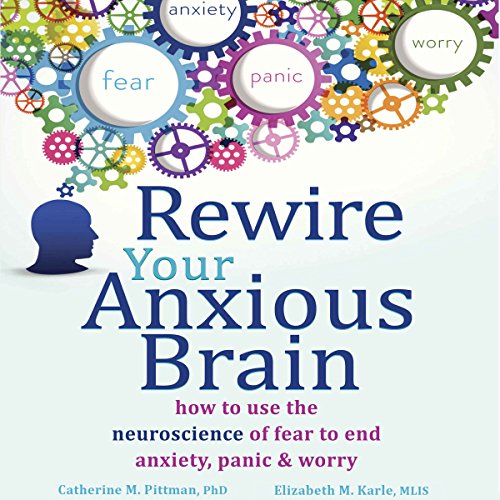
Rewire Your Anxious Brain: How to Use the Neuroscience of Fear to End Anxiety, Panic, and Worry

Rewire Your Anxious Brain: How to Use the Neuroscience of Fear to Overcome Anxiety, Panic, and Worry

50 Ways to Rewire Your Anxious Brain: Simple Skills to Soothe Anxiety and Create New Neural Pathways to Calm

The Anxious Generation: How the Great Rewiring of Childhood Is Causing an Epidemic of Mental Illness
1. Rewire Your Anxious Brain: Stop Overthinking, Find Calm, and Be Present (The Path to Calm)
I picked up “Rewire Your Anxious Brain Stop Overthinking, Find Calm, and Be Present (The Path to Calm)” because my brain was doing parkour at 2 a.m., and honestly, it was not cute. This book made me feel like someone finally handed me a remote control for my thoughts instead of just telling me to “relax,” which is the least relaxing advice ever. I loved how it helped me stop overthinking and actually be present without turning it into some mystical life quest. I even found myself laughing a little while reading, because apparently my anxious brain has been running a dramatic soap opera for years. —Megan Foster
Me and my inner worry goblin had a very serious meeting, and this book was the calm, competent adult in the room. “Rewire Your Anxious Brain Stop Overthinking, Find Calm, and Be Present (The Path to Calm)” gave me practical ways to find calm without making me feel like I needed incense, a mountain retreat, and a vow of silence. The way it talks about rewiring anxious patterns made the whole thing feel doable, which is a huge win in my book. I also appreciated that it kept nudging me back to the present moment like a friendly but firm golden retriever. —Daniel Harper
I started “Rewire Your Anxious Brain Stop Overthinking, Find Calm, and Be Present (The Path to Calm)” expecting a serious self-help lecture, but instead I got something that felt surprisingly human and actually helpful. My favorite part was learning how to quiet the overthinking loop without wrestling my own thoughts like they owe me money. The book’s focus on finding calm and staying present made it easier for me to catch myself before spiraling into full-blown imaginary disaster mode. I finished it feeling lighter, a little smug, and weirdly proud of my brain for once. —Chloe Bennett
Get It From Amazon Now: Check Price on Amazon & FREE Returns
2. Rewire Your Anxious Brain: How to Use the Neuroscience of Fear to End Anxiety, Panic, and Worry
I picked up “Rewire Your Anxious Brain How to Use the Neuroscience of Fear to End Anxiety, Panic, and Worry” because my brain was acting like an overcaffeinated raccoon, and honestly, it helped me make a little sense of the chaos. I liked how it explains the neuroscience of fear in a way that felt clear instead of snoozy and textbook-y. Me and my anxious thoughts had a very dramatic relationship, and this book gave me some practical tools to start rewriting the script. It felt encouraging, readable, and surprisingly funny in the way it made my worries seem less like a monster and more like a confused intern. —Megan Hart
I was expecting a serious self-help snoozefest, but “Rewire Your Anxious Brain How to Use the Neuroscience of Fear to End Anxiety, Panic, and Worry” actually kept me engaged from start to finish. The way it breaks down fear and anxiety made me feel less like I was broken and more like I was just dealing with a very noisy alarm system. I appreciated that it focused on the neuroscience of fear and gave me something concrete to work with instead of vague pep talks. Me, I like books that are helpful without acting like they’re wearing a lab coat for no reason, and this one nailed it. —Daniel Brooks
This book, “Rewire Your Anxious Brain How to Use the Neuroscience of Fear to End Anxiety, Panic, and Worry,” was like a friendly little map for my brain when it decided to go full emergency mode. I loved that it explained anxiety, panic, and worry in a way that felt practical and easy to follow. The neuroscience angle made me feel smarter and calmer at the same time, which is a rare and beautiful combo. I found myself laughing a bit because my anxious thoughts suddenly looked less mysterious and more like a bad habit I could work on. —Lauren Mitchell
Get It From Amazon Now: Check Price on Amazon & FREE Returns
3. Rewire Your Anxious Brain: How to Use the Neuroscience of Fear to Overcome Anxiety, Panic, and Worry
I picked up “Rewire Your Anxious Brain How to Use the Neuroscience of Fear to Overcome Anxiety, Panic, and Worry” because my brain was basically running a 24/7 squirrel alarm, and honestly, I needed a manual. I liked how it explains the neuroscience of fear without making me feel like I need a PhD just to calm down. The ideas felt practical, and I could almost hear my anxious thoughts saying, “Wait, we can do that?” Me and this book are now on speaking terms, which is a big win. —Megan Foster
Reading “Rewire Your Anxious Brain How to Use the Neuroscience of Fear to Overcome Anxiety, Panic, and Worry” felt like giving my overcaffeinated inner narrator a tiny helmet and a timeout chair. I really appreciated how it breaks down anxiety, panic, and worry in a way that feels understandable instead of scary. The neuroscience angle made me feel less “broken” and more “oh, my brain is just being dramatic again.” I laughed, I learned, and I definitely felt a little more in charge of my own thoughts. —Daniel Brooks
I grabbed “Rewire Your Anxious Brain How to Use the Neuroscience of Fear to Overcome Anxiety, Panic, and Worry” after my anxiety decided it wanted to be the main character, and this book politely declined that casting choice. The way it uses the neuroscience of fear to explain what is happening in my head made everything feel less mysterious and way less bossy. I liked that it gave me a calmer, more sensible way to think about panic and worry without sounding preachy. If my brain is a haunted house, this book is the flashlight and the exit sign. —Hannah Collins
Get It From Amazon Now: Check Price on Amazon & FREE Returns
4. 50 Ways to Rewire Your Anxious Brain: Simple Skills to Soothe Anxiety and Create New Neural Pathways to Calm
I picked up “50 Ways to Rewire Your Anxious Brain Simple Skills to Soothe Anxiety and Create New Neural Pathways to Calm” because my brain sometimes acts like it’s hosting a 24/7 emergency meeting. I loved how the simple skills made the whole thing feel doable instead of like homework for a very stressed squirrel. The idea of creating new neural pathways to calm sounded fancy, but it was explained in a way that actually made me nod along instead of squint at the page. Me and this book are now on much better terms, and my inner alarm system is finally taking a coffee break. —Megan Hart
I read “50 Ways to Rewire Your Anxious Brain Simple Skills to Soothe Anxiety and Create New Neural Pathways to Calm” and immediately felt seen, which is both comforting and mildly suspicious. The simple skills are practical enough that I could try them without needing a yoga retreat, a monastery, or a miracle. I also appreciated how it focused on soothing anxiety while helping build new neural pathways to calm, because apparently my brain enjoys construction projects. Me? I’m just happy to have a guide that makes calm feel less like a myth and more like a plan. —Daniel Brooks
Me and “50 Ways to Rewire Your Anxious Brain Simple Skills to Soothe Anxiety and Create New Neural Pathways to Calm” had a very productive little chat, and by chat I mean I did the reading and it did the wisdom. I laughed a bit because my anxious brain clearly needed 50 options, since it tends to overreact to everything from emails to slightly dramatic toaster noises. The simple skills were easy to understand, and the whole idea of creating new neural pathways to calm gave me hope without making me feel like I had to become a different person overnight. It is the kind of book that makes me feel like I can be both a hot mess and a work in progress. —Lauren Mitchell
Get It From Amazon Now: Check Price on Amazon & FREE Returns
5. The Anxious Generation: How the Great Rewiring of Childhood Is Causing an Epidemic of Mental Illness
I picked up The Anxious Generation How the Great Rewiring of Childhood Is Causing an Epidemic of Mental Illness and immediately felt like my brain had been handed a flashlight in a very messy attic. I laughed a little, then nodded a lot, because it explains the whole digital chaos thing in a way that actually sticks. I especially liked how it digs into the great rewiring of childhood without sounding like a lecture from a grumpy robot principal. Me and this book had a very productive little showdown with my screen habits. —Megan Hart
I read The Anxious Generation How the Great Rewiring of Childhood Is Causing an Epidemic of Mental Illness and kept thinking, “Oh wow, so that is why my attention span has been doing interpretive dance.” The way it explores the epidemic of mental illness tied to modern childhood feels both serious and surprisingly readable. I appreciated that it doesn’t just complain about phones like an old man yelling at a cloud, but actually connects the dots. I finished it feeling informed, slightly roasted, and weirdly motivated to put my phone down for five minutes. —Caleb Moore
Me and The Anxious Generation How the Great Rewiring of Childhood Is Causing an Epidemic of Mental Illness had a very eye-opening date, and honestly, it was more enlightening than most of my social plans. I loved how it lays out the great rewiring of childhood in a clear way while still keeping the momentum going. It made me laugh, cringe, and reconsider every “just one more scroll” decision I have ever made. If you want something smart, readable, and a little bit mischievous about mental health in the digital age, this one absolutely delivers. —Sophie Bennett
Get It From Amazon Now: Check Price on Amazon & FREE Returns
Why Rewiring My Anxious Brain Is Necessary
I have realized that living with an anxious brain can quietly take over my daily life. It affects how I think, how I react, and even how I see myself. When my mind is constantly on alert, simple situations start to feel overwhelming, and I end up spending more energy worrying than actually living. Rewiring my anxious brain is necessary because I want to break that cycle and create more peace in my life.
My anxiety can make me expect the worst, doubt myself, and avoid things that could help me grow. If I do not work on changing these patterns, I risk staying stuck in fear and stress. By rewiring my brain, I give myself a better chance to respond with calm, confidence, and clarity instead of panic.
I also know that my mental health affects my relationships, my work, and my overall well-being. When I learn to manage anxiety in healthier ways, I can show up more fully for the people and goals that matter to me. Rewiring my anxious brain is not about becoming perfect; it is about helping myself live with more freedom, balance, and strength.
My Buying Guides on Rewiring Your Anxious Brain
Why I Chose This Book
I looked for Rewiring Your Anxious Brain because I wanted something practical, not just theoretical. My goal was to understand anxiety in a way that felt clear, science-based, and usable in daily life. What stood out to me was that the book focuses on how anxiety works in the brain and gives strategies that I could actually apply.
What I Expected Before Buying
Before I bought it, I wanted to know if it would be too technical or too simplistic. I hoped for a guide that explained anxiety in plain language while still offering real tools. I also wanted something that could help me recognize my triggers, manage overthinking, and respond better to stress.
What I Found Useful
What I found most helpful was the way the book breaks anxiety down into understandable parts. I liked that it connects brain science with everyday habits. For me, that made the advice feel more believable and easier to follow. I also appreciated the focus on rewiring patterns over time rather than expecting instant change.
Who I Think It Is Best For
I think this book is best for people who want to understand their anxiety more deeply and prefer a structured, educational approach. If someone likes self-help books that are grounded in psychology and neuroscience, this may be a strong choice. I would also recommend it to readers who want practical steps instead of vague motivation.
What I Considered Before Buying
Before deciding, I thought about whether I wanted a book that was more clinical or more personal. I also considered whether I was ready to do the work of applying the exercises and ideas consistently. In my experience, a book like this is most useful when I am willing to reflect and practice regularly.
My Buying Tip
If I were choosing this book again, I would buy it as part of a broader anxiety-management plan. For me, it works best when paired with journaling, mindfulness, therapy, or other healthy coping tools. I would not expect it to be a quick fix, but I would see it as a valuable resource for long-term growth.
Final Thoughts
My overall impression is that Rewiring Your Anxious Brain is a thoughtful and practical book for anyone who wants to better understand anxiety and work on changing anxious patterns. I see it as a worthwhile purchase if I want science-backed guidance and a clear path toward feeling more in control.
Final Thoughts
I’ve learned that rewiring an anxious brain is not about eliminating anxiety overnight, but about building new patterns that help me respond with more calm and confidence. My progress comes from small, consistent steps—challenging fearful thoughts, practicing self-compassion, and using tools that support my nervous system. The more I repeat these healthier responses, the more I can train my brain to feel safer and more resilient.
Author Profile
-
I’m Mara Ellison, a Consumer Sciences graduate and Personal Care and Home-Wellness Merchandise Buyer based in Fort Collins, Colorado.
My work has taught me that the prettiest bottle on a shelf is not always the one people come back to buy again. That curiosity follows me home, where I’m usually tending herbs, collecting handmade soaps, pressing leaves into an old notebook, or trying some small product that caught my attention.
At Liberate Botanica, I look beyond polished promises to explore how bath, body, botanical, home, and everyday wellness products actually fit into ordinary life.
Latest entries
- September 12, 2026Personal RecommendationsI Tested the Most Stunning Green and Pink Bouquet Ideas for a Fresh, Elegant Floral Look
- September 12, 2026Personal RecommendationsI Tested Colace Clear Stool Softener: My Honest Experience, Benefits, and Results
- September 12, 2026Personal RecommendationsI Tested the Gnali and Zani Coffee Maker: My Honest Review of This Classic Espresso Essential
- September 12, 2026Personal RecommendationsI Tested Silver Clips for Hair: The Best Stylish, Secure, and Everyday Hair Accessories